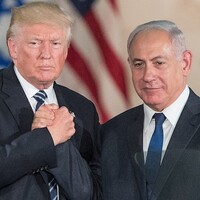


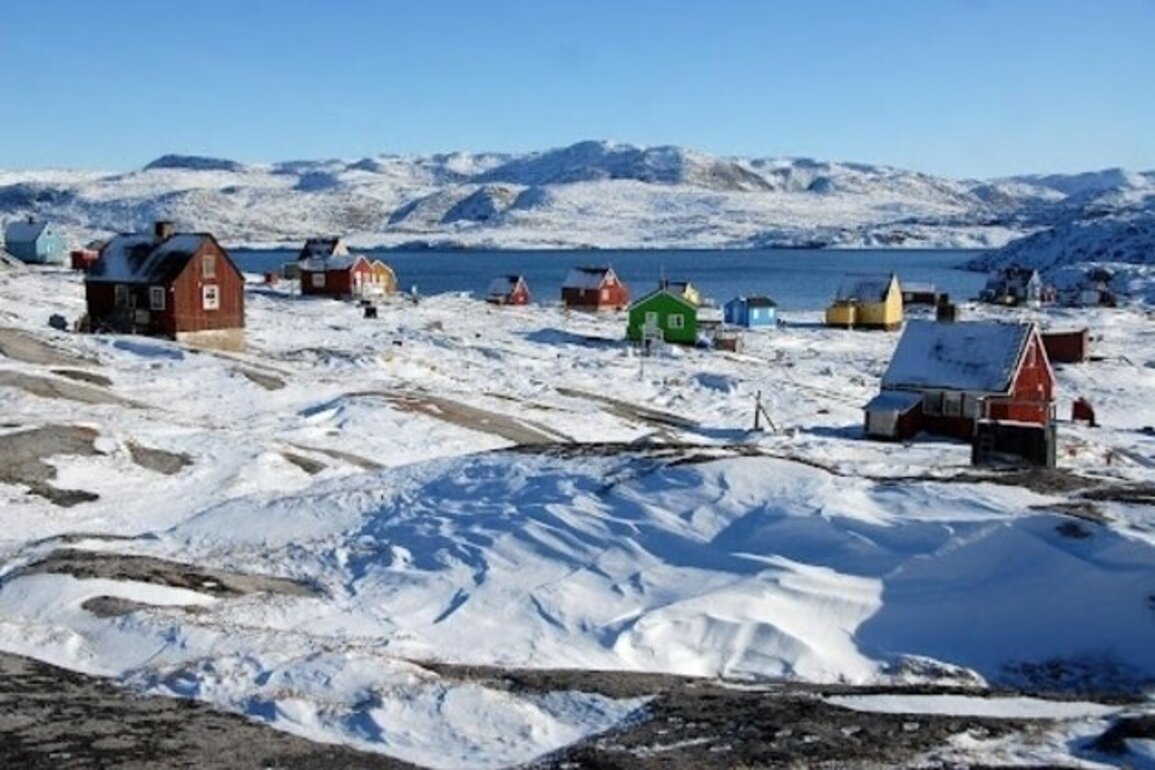
When U.S. President Donald Trump publicly expressed interest in purchasing Greenland from Denmark, many observers initially dismissed the idea as eccentric political theater. Yet the episode raises deeper geopolitical and philosophical questions about power, sovereignty, and the contradictions within the Western liberal order. Was this truly about Greenland, or did the territory merely provide a symbolic surface for displaying a particular style of authoritarian ambition?
Greenland is an autonomous territory within the Kingdom of Denmark, and Denmark is a long-standing member of NATOan alliance led and dominated by the United States. As NATO remains the most powerful military bloc in Europe, Greenland is already under the security umbrella of American-led Western power. There is no military vacuum in the Arctic and no realistic scenario in which Denmark could resist NATO or the United States in a direct confrontation. From a purely strategic perspective, Greenland is effectively already within the U.S. security sphere.
This makes Trumps loud, transactional push for Greenlanddiscussed publicly almost like a real-estate dealall the more peculiar. If strategic minerals, Arctic positioning, or Russian containment were the real objectives, Washington could have quietly secured concessions through diplomacy, intelligence cooperation, or NATO frameworks. That has been the traditional Western approach: silent coordination rather than open annexationist rhetoric.
Trumps dramatic approach revealed something else: a personal desire to assert power through spectacle. Instead of subtle persuasion, he chose public confrontation and humiliationdeclaring that Denmarks refusal to sell was nasty and cancelling a state visit in retaliation. The method mattered as much as the objective. His posture mirrored the behavior of authoritarian leaders who demand obedience and view international actors as pieces on a chessboard rather than sovereign equals. His display suggested an ambition to dictate the terms of global affairs, to centralize authority, and to deny dignity to those who resist.
The irony is unmistakable. For decades, the United States and Europe styled themselves as champions of liberal values: freedom of speech, human rights, democracy, and the rule of law. They condemned and often militarily challenged authoritarian rulers around the world. From Iraq to Libya to Serbia, the West justified interventions in the name of breaking authoritarianism and promoting liberty. Yet within their own political systems, an authoritarian figure emerged who weaponized nationalism, contempt for institutions, and a cult of personalitytraits Western governments routinely criticized abroad.
History has a cyclical character. Empires that once fought tyranny may eventually confront tyranny within. The Greenland episode symbolized this cycle: a leader at the helm of the liberal democratic world behaving like the very strongmen he claimed to oppose. The West, which once lectured others about the dangers of authoritarian governance, suddenly found itself debating how to restrain such tendencies in its own capitals.
Here, the wisdom of ancient China offers a striking echo. Confucius observed, When the ruler sets himself above righteousness, calamity follows. Lao Tzu expressed a similar sentiment in Tao Te Ching: The more one grasps, the greater the loss. Both teachings capture a truth that transcends cultures and centuriesmisfortune in history often arises not from weakness, but from the unchecked accumulation of power.
In the end, the Greenland question was never merely about geography or minerals. It exposed deeper contradictions within the Western orderbetween its proclaimed ideals and its political realities. It demonstrated how authoritarian impulses can emerge in unexpected places and how power, once accumulated, tempts even those who loudly preach liberty.
History does not just repeat; it often rhymes. The liberal world that spent decades targeting authoritarian rulers abroad ultimately discovered that authoritarianism could be home-grown. The circle closed not in Moscow or Beijing, but in Washington itself.
Irshad Ahmad Mughal