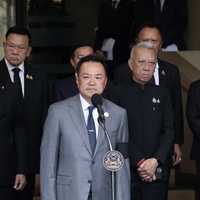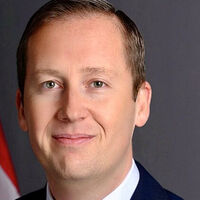


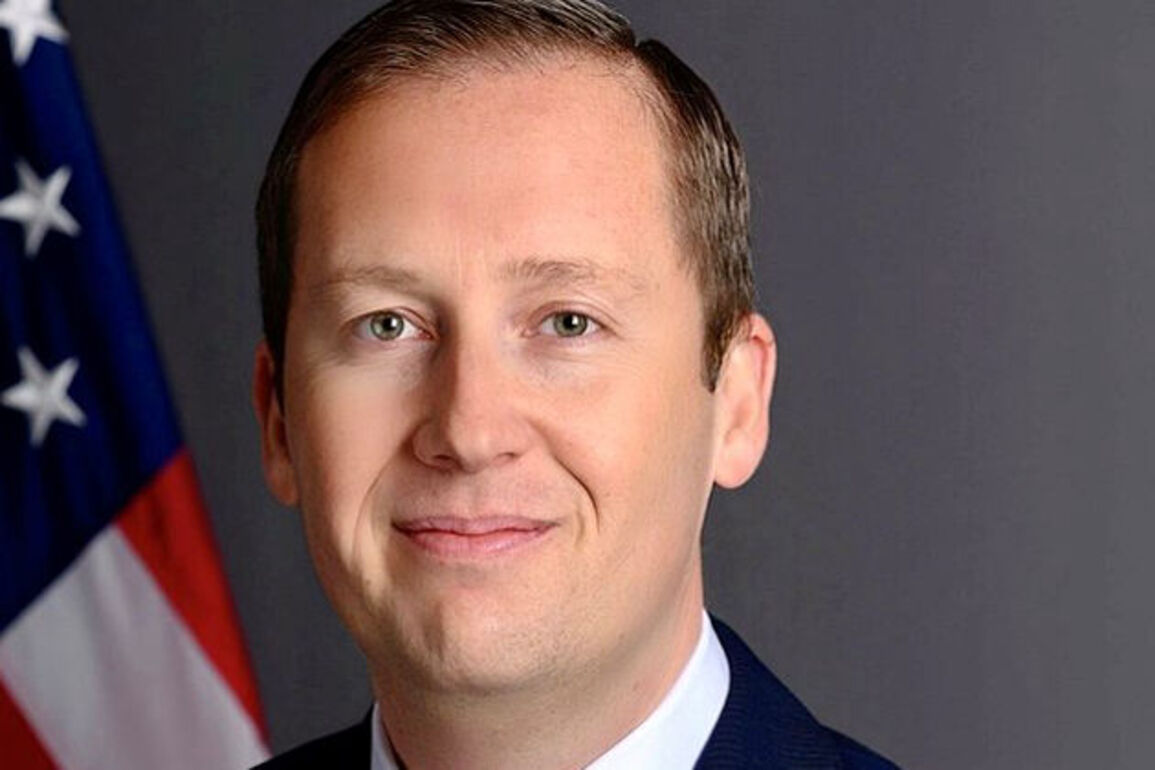
NEW DELHI, India: The U.S. ambassador-designate to New Delhi, Sergio Gor, said on January 12 that the United States and India are working on a bilateral trade deal to strengthen their economic and strategic ties, even as the Trump administration imposed another 25 percent tariff on India over its trade with Iran.
In August, President Donald Trump signed an executive order to place an additional 25 percent tariff on India for its purchases of Russian oil, bringing the combined tariffs imposed by the United States to a steep 50 percent.
With the latest round of penalties, India has the highest tariffs at 75 percent since the new administration took over. India is one of the half-dozen countries that trade with Iran.
"Real friends can disagree, but always resolve their differences in the end," Gor said in an address on his first day in office at the U.S. Embassy. "Remember, India is the world's largest nation, so it's not an easy task to get this across the finish line, but we are determined to get there."
Gor, who is also the U.S. special envoy to South and Central Asia, announced that India will be formally invited next month to join a U.S.-led strategic initiative called Pax Silica as part of a broader partnership.
The initiative aims to build a secure silicon supply chain, from critical minerals and energy inputs to advanced manufacturing, semiconductors, and artificial intelligence. Nations that joined it last month include Japan, South Korea, the U.K., and Israel.
Gor said trade was an essential aspect of the relationship, but the countries will also continue to work closely in areas such as security, counter terrorism, energy, technology, education, and health.
Gor's comments on bolstering trade and economic ties with India highlight a renewed push to anchor the partnership at a time the relationship has strained following Washington's mounting pressure on New Delhi to stop buying discounted Russian crude oil.
India and the U.S. have been negotiating a bilateral trade agreement since early last year. They hoped to conclude the first tranche by the fall of 2025, but it hasn't come through mainly due to differences over the sourcing of Russian oil, and Indian negotiators are facing pressure to protect small farmers and domestic industries.
Since Russia's full-scale invasion of Ukraine in February 2022, India has emerged as the second biggest buyer of Russian crude after China, upsetting the Trump administration, which criticized the purchases as helping fuel Moscow's war machine.
India, however, has repeatedly said it is being unfairly singled out, noting that China, Europe, and even the United States continue to trade with Russia. Some analysts who track India believe Trump's irritation stems from two reasons: first, India's refusal to credit him with any role in ending the conflict with Pakistan in May last year, and second, India's silence when Trump asked Prime Minister Modi to back his bid for the Nobel Peace Prize.
In the face of steep U.S. tariffs, India has accelerated a push to finalize several free trade agreements in recent months. It signed one with the U.K last year and Oman last month, and concluded talks with New Zealand. An FTA with the European Union is likely to be signed by the end of this month, which many believe is the world's largest trade deal.